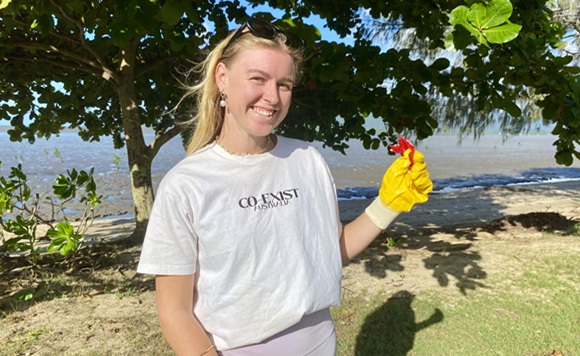
Co-exist Cairns: Next Generation of Coastal Carers
Co-exist Cairns is a new environmental (ad social) group for 18-30 year olds.

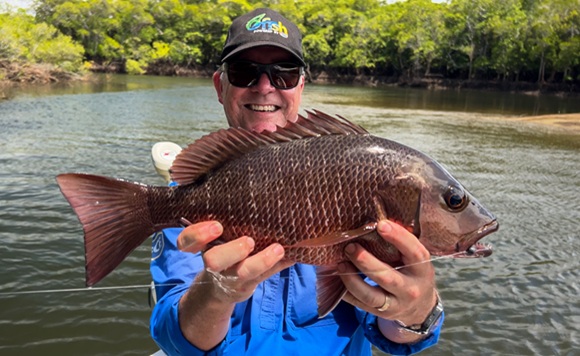
One of Phil Laycock’s earliest memories is catching his first fish on a family trip to the mouth of the Barron River. Phil has spent his whole life fishing in the Wet Tropics and now, in his role as a project manager with OzFish, he’s living the dream, improving fish habitat in the heart of Cairns.
Through the Saltwater Creek Restoration Project, Phil and the OzFish team are working to improve habitat in Saltwater and Lily creeks by revegetating creek banks, managing weeds and removing litter. They are also installing fish-friendly culverts and rocks ramps to help fish migrate between wetlands and upstream locations.
“As part of the project, we’ve been hosting regular citizen science monitoring events with the community, and to date we’ve found 61 different fish species in these two creeks,” Phil says. “There’s an incredible diversity here — they’re definitely not just drains full of tilapia.
“In addition to recreational fishing favourites like mangrove jack, barramundi and jungle perch, we’ve recorded seven species of gudgeon, Roman nose gobies and the eastern rainbowfish. We even collected some blue eyes, a small native fish with the most beautiful bright blue eye.”
Historically, the Saltwater Creek catchment was rich in wetlands, lagoons and sand ridges but post war expansion brought large scale drainage works and channelised waterways, resulting in fragmented fish habitat.
Today, Saltwater and Lily Creeks are impacted by nutrient runoff, invasive weeds, litter and pest fish including tilapia — all of which affect water quality and habitat health.
Phil says these urban creeks play a crucial role in the lifecycle of popular recreational fishing species, including mangrove jack.
“Every time we come down here — whether we’re using cameras, scoop nets, or electrofishing — we find juvenile mangrove jack ranging from under 50 millimetres to about 200 millimetres,” he says.
“It really highlights how important these urban waterways are. Those little jacks will eventually make their way into Trinity Inlet, where they can grow to around 500 millimetres. The more fish that successfully migrate there, the better the fishing is for everyone.”
“Projects like this offer recreational fishers a chance to actively get involved in protecting the nursery habitats that underpin strong fish stocks and healthy waterways.”
Get Involved
OzFish welcomes community members keen to help with planting, weeding, litter clean ups and fish monitoring. To get involved, follow ‘OzFish Unlimited – Cairns Chapter’ on Facebook or check the event calendar at https://ozfish.org.au/events/
This project is funded by the Australian Government’s Urban Rivers and Catchments Program with the support of OzFish Unlimited, Cairns Regional Council, Creekwatch, and Gimuy Walubara Yidinji and Yirrganydji Traditional Owners. The project is also supported by BCF – Boating, Camping, Fishing.
Co-exist Cairns is a new environmental (ad social) group for 18-30 year olds.
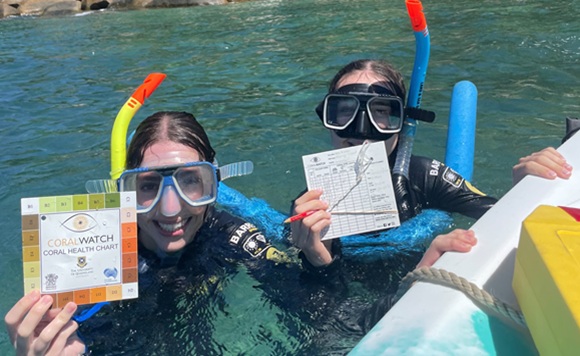
Co-exist Cairns is a new environmental (ad social) group for 18-30 year olds.
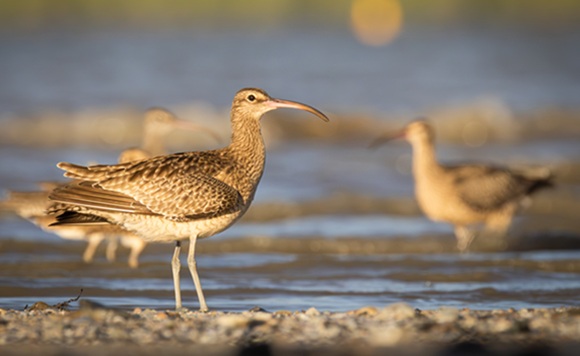
Whimbrels migrate thousands of miles to feed along the Cairns Esplanade each year.

Martine joined the Wet Tropics Waterways team as a Science Technical Officer in early 2024. She is an environmental scientist and ecologist and has worked on water quality and aquatic ecology projects as a consultant and in private industry for over 20 years. She is using her experience in statistical programming and database development to develop new systems for the Report Card.

Richard has been the Science Technical Officer for Wet Tropics Waterways since 2016. His role involves producing the annual results for the waterway health assessment of the wet tropics region using data from a wide range of sources, to present as scores and grades, as well as developing new indicators to address knowledge and monitoring gaps. He works in collaboration with technical staff at other regional report cards.
Richard has a background in freshwater ecology research projects and environmental assessments with CSIRO, University of Queensland, Queensland Government and as a consultant. For a long time he’s been interested in freshwater aquaculture and continues this interest through farming freshwater crayfish, alongside other farming activities.

Simon has over 30 years’ experience advocating for waterways across academia, government and the private sector. He started out in marine botany with a fascination for seagrass, mangroves and macroalgae, and has gone on to lead major environmental initiatives both in Australia and overseas. He has established report cards in eight countries.
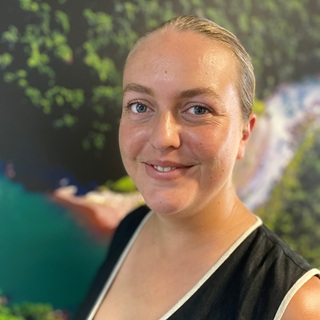
Rowan is a conservation scientist with a background in wildlife science and tropical ecology. She holds a Bachelor of Wildlife Science from the University of Queensland and has recently completed a Master of Tropical Biology and Conservation at James Cook University.
Rowan brings experience in science communication, with a strong interest in connecting people with conservation outcomes. In her role with Wet Tropics Waterways, she supports initiatives that combine scientific knowledge with community outreach to help protect the Wet Tropics and Great Barrier Reef catchments, and to strengthen collaboration between researchers, stakeholders, and the wider community.