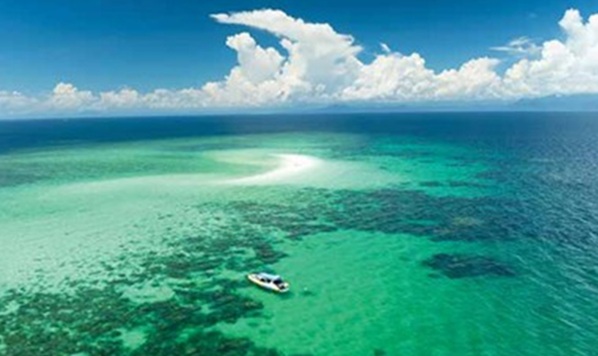
50 years of protecting the reef.
Establishing the Great Barrier Reef Marine Park in 1975 was a game changer

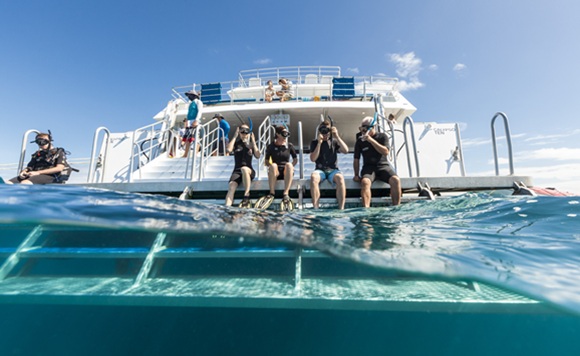
The Great Barrier Reef is one of the most extraordinary natural wonders in the world and a must-see destination for many visitors.
However, scientists now warn that the long-term survival of coral reefs is in jeopardy unless global efforts to protect them are intensified (Frieler et al. 2013). Climate change, pollution, and overfishing have become some of the greatest threats to these valuable ecosystems.
While governments, scientists, Traditional Owners, local communities, and conservation organisations are working to protect the Reef and reduce pressures such as land-based runoff, the millions of tourists who visit each year can also play an important role. Visitors have the power to reduce their impact and help protect the Reef while still enjoying its beauty.
So, how can you explore the Great Barrier Reef without leaving a trace?
1. Choose Reef-Friendly Tour Operators
When planning a trip to the Great Barrier Reef, choose tour operators that are committed to sustainable practices.
Look for operators certified by Ecotourism Australia or recognized as High Standard Tourism operators by the Great Barrier Reef Marine Park Authority (GBRMPA).
You can also look out for Master Reef Guides in Far North Queensland, who are highly trained professionals dedicated to sharing accurate reef knowledge and promoting responsible tourism.
These operators and guides:
Follow best-practice environmental guidelines
By choosing responsible and sustainable tour operators, tourists support conservation-focused businesses and help reduce human impacts on the Reef.
2. Always Wear Reef-Safe Sunscreen When Entering Our Waterways
When exploring the Great Barrier Reef and other waterways in Far North Queensland, it is important to choose reef-safe sunscreen. Many conventional sunscreens contain chemicals such as oxybenzone and octinoxate, which have been proven to harm corals and marine life.
While sunscreen is essential for protecting human skin from harmful ultraviolet (UV) radiation, some organic UV filters pose a serious threat to coral reefs. Studies have shown that oxybenzone can promote coral bleaching, damage coral DNA, interfere with coral larvae development, and cause reproductive and developmental harm in other marine organisms such as fish and invertebrates (Journal of Science Policy & Governance, 2024).
Fortunately, safer alternatives are widely available. Reef-safe sunscreens are typically mineral-based and contain non-nano zinc oxide or titanium dioxide. Visitors can look for reef-safe labels on sunscreen bottles to ensure they are making an environmentally responsible choice.
Alternatively, visitors can minimise sunscreen use by wearing long-sleeved rash vests or protective swimwear.
Most snorkelling and diving operators on the Great Barrier Reef provide stinger suits to protect visitors from jellyfish. These suits also offer excellent full-body sun protection and significantly reduce sunscreen pollution in reef waters.
Did you know? Some destinations, such as Hawaii, have banned non-reef-safe sunscreens to help protect their fragile marine ecosystems.

3. Look, Don’t Touch
Coral may look like rock, but it is actually a living organism made up of tiny animals and algae living together in a symbiotic relationship. This makes coral extremely fragile. Even light contact can cause physical damage or introduce disease.
When snorkeling or diving:
In addition to coral, the Great Barrier Reef is home to incredible marine life. While animals such as green sea turtles may appear friendly, they do not like to be touched or chased. Disturbing wildlife can cause stress and disrupt natural behaviour.
When exploring nature, respect the species around you. Slow down, take a deep breath, and enjoy your surroundings. You are far more likely to have meaningful wildlife encounters when you observe from a distance and allow animals to behave naturally — after all, even little Nemo does not enjoy being chased!
4. Reduce Pollution from Land to Sea
What happens on land can eventually reach the Great Barrier Reef through rivers and creeks. Visitors can help protect the Reef by disposing of rubbish properly, reducing plastic use, and avoiding soaps, detergents, and personal care products in waterways.
Local communities also play an important role. Fishers are encouraged to keep fishing equipment secure and out of the water when not in use to prevent wildlife entanglement.
Did you know? The Cairns Turtle Rehabilitation Centre regularly treats turtles suffering from injuries and illness caused by plastic ingestion and entanglement. These cases highlight how everyday waste can have serious consequences for marine life.
By remembering the principles of reduce, refuse, and reuse, everyone can help limit pollution and protect the Reef for future generations.
5. Take Photos, Not Souvenirs
Make sure that what belongs on the reef stays on the reef. Shells, coral, and other natural objects should be left where they are. Removing items from the Great Barrier Reef is illegal and can result in fines.
Even small shells play an important role in the ecosystem. On land and in the intertidal zone, shells can become homes for animals such as hermit crabs. Taking them removes shelter and disrupts natural processes.
The best souvenir from the Reef is a memory — or a photo — not something taken from nature.
6. Offset Your Carbon Emissions
Climate change remains the greatest threat to coral reefs worldwide. In the past decade alone, the Great Barrier Reef has experienced repeated mass bleaching events. The 2024 mass coral bleaching event was the fifth on the Reef since 2016 and formed part of a global bleaching event that began in the Northern Hemisphere in 2023 and was formally declared in April 2024 by the National Oceanic and Atmospheric Administration (NOAA) and the International Coral Reef Initiative (ICRI) (AIMS, 2024).
Visitors can help reduce their contribution to climate change by offsetting their carbon emissions through reputable programs that support local conservation and restoration projects.
But action does not stop at the Reef. Individual choices made anywhere in the world can help protect it. Planting trees, supporting renewable energy, and choosing low-emission transport such as walking or cycling all help reduce the pressures driving coral bleaching. Creating space for nature through rewilding and habitat protection also strengthens ecosystems and supports biodiversity.
By working together, we can safeguard the blue heart of our planet and protect the extraordinary species that depend on it.
Establishing the Great Barrier Reef Marine Park in 1975 was a game changer

150 cane farmers are participating in a project to boost productivity and water quality

Read about some of our region's rare and unusual native fish species

Martine joined the Wet Tropics Waterways team as a Science Technical Officer in early 2024. She is an environmental scientist and ecologist and has worked on water quality and aquatic ecology projects as a consultant and in private industry for over 20 years. She is using her experience in statistical programming and database development to develop new systems for the Report Card.

Richard has been the Science Technical Officer for Wet Tropics Waterways since 2016. His role involves producing the annual results for the waterway health assessment of the wet tropics region using data from a wide range of sources, to present as scores and grades, as well as developing new indicators to address knowledge and monitoring gaps. He works in collaboration with technical staff at other regional report cards.
Richard has a background in freshwater ecology research projects and environmental assessments with CSIRO, University of Queensland, Queensland Government and as a consultant. For a long time he’s been interested in freshwater aquaculture and continues this interest through farming freshwater crayfish, alongside other farming activities.

Simon has over 30 years’ experience advocating for waterways across academia, government and the private sector. He started out in marine botany with a fascination for seagrass, mangroves and macroalgae, and has gone on to lead major environmental initiatives both in Australia and overseas. He has established report cards in eight countries.
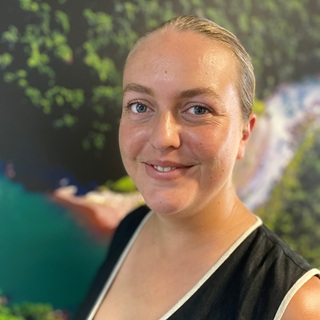
Rowan is a conservation scientist with a background in wildlife science and tropical ecology. She holds a Bachelor of Wildlife Science from the University of Queensland and has recently completed a Master of Tropical Biology and Conservation at James Cook University.
Rowan brings experience in science communication, with a strong interest in connecting people with conservation outcomes. In her role with Wet Tropics Waterways, she supports initiatives that combine scientific knowledge with community outreach to help protect the Wet Tropics and Great Barrier Reef catchments, and to strengthen collaboration between researchers, stakeholders, and the wider community.