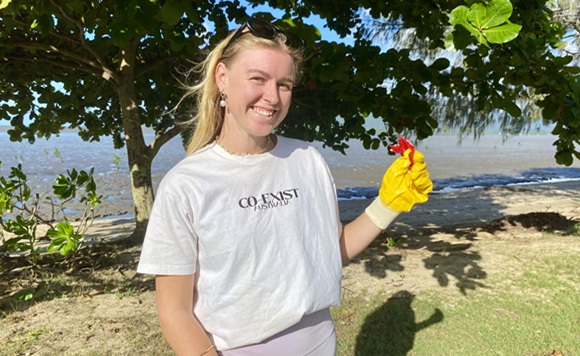
Co-exist Cairns: Next Generation of Coastal Carers
Co-exist Cairns is a new environmental (ad social) group for 18-30 year olds.

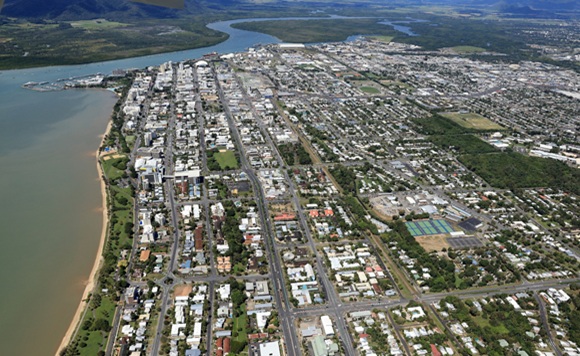
In the Wet Tropics, heavy rainfall is a fact of life — and where that water goes matters. In urban areas, stormwater doesn’t just soak into the ground. It runs off roofs, roads, industrial zones, and construction sites, carrying pollutants with it that can end up in our local waterways and, ultimately, the Great Barrier Reef lagoon.
While urban areas make up just one percent of land in the Reef’s vast catchment, they contribute a disproportionate share of pollution — up to seven percent of the dissolved inorganic nitrogen (nutrient pollution) and nearly two percent of sediment that flows into the reef. These pollutants can damage fragile marine ecosystems.
To address this, local councils and industry are stepping up. One initiative is the Urban Water Stewardship Framework, co-funded by the Queensland and Australian Governments, which helps councils evaluate and improve how they manage urban water, benchmark their practices against best-practice standards, and report on their progress.
Towards Best Practice
Every two years, councils across the Wet Tropics region take part in workshops delivered by Wet Tropics Waterways to evaluate their urban water management strategies.
James Donaldson, Executive Officer of Wet Tropics Waterways, says the results so far show that water quality is generally being well managed during construction and as part of sewage treatment but there is room for improvement in established urban areas.
“Older suburbs tend to have infrastructure that needs updating in order to bring them up to best practice standards,” says James.
After the assessment workshops an independent report is produced to grade each council’s performance.
“The stewardship framework enables councils to identify where they can improve and where to allocate resources for the most impact,” he says. “It also provides leverage when applying for funding to upgrade infrastructure and implement better management practices.”
“A good example is Douglas Shire Council using the program to successfully apply for funding to assess and upgrade septic systems in Newell, Cooya, and Wonga Beaches. Many homes in these coastal communities rely on septic tanks rather than a centralised sewer system and over time, aging or poorly maintained systems can allow wastewater to seep into the environment, carrying excess nitrogen, phosphorus, and harmful bacteria.”
Smart Data – Point Source Portal
A new Queensland Government portal provides detailed data on sewage treatment plants, aquaculture farms, and wastewater management practices across the Reef catchment. Users can access reports on point source activities, pollution loads, and best management practices, and explore specific regions through an interactive database.
Find out more at: Point Source Information Portal
Co-exist Cairns is a new environmental (ad social) group for 18-30 year olds.
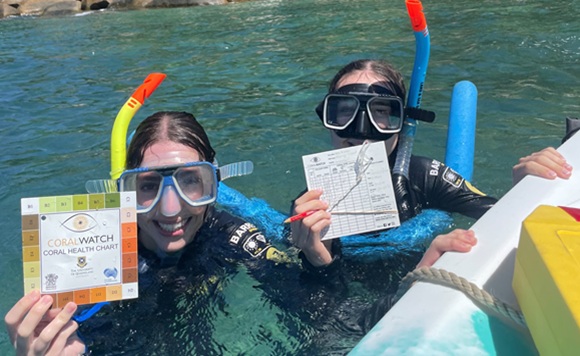
Co-exist Cairns is a new environmental (ad social) group for 18-30 year olds.
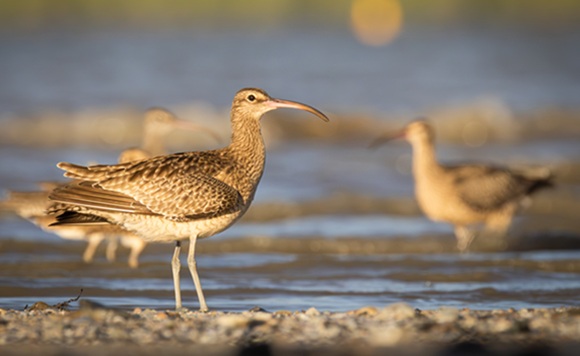
Whimbrels migrate thousands of miles to feed along the Cairns Esplanade each year.

Martine joined the Wet Tropics Waterways team as a Science Technical Officer in early 2024. She is an environmental scientist and ecologist and has worked on water quality and aquatic ecology projects as a consultant and in private industry for over 20 years. She is using her experience in statistical programming and database development to develop new systems for the Report Card.

Richard has been the Science Technical Officer for Wet Tropics Waterways since 2016. His role involves producing the annual results for the waterway health assessment of the wet tropics region using data from a wide range of sources, to present as scores and grades, as well as developing new indicators to address knowledge and monitoring gaps. He works in collaboration with technical staff at other regional report cards.
Richard has a background in freshwater ecology research projects and environmental assessments with CSIRO, University of Queensland, Queensland Government and as a consultant. For a long time he’s been interested in freshwater aquaculture and continues this interest through farming freshwater crayfish, alongside other farming activities.
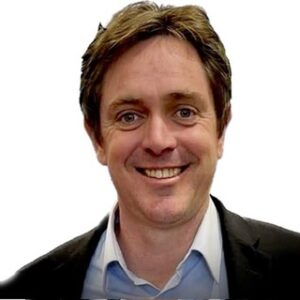
Simon has over 30 years’ experience advocating for waterways across academia, government and the private sector. He started out in marine botany with a fascination for seagrass, mangroves and macroalgae, and has gone on to lead major environmental initiatives both in Australia and overseas. He has established report cards in eight countries.
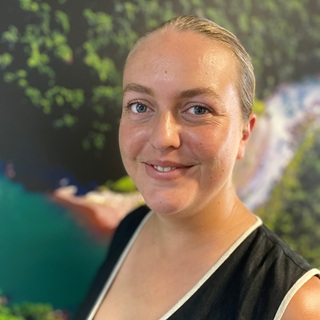
Rowan is a conservation scientist with a background in wildlife science and tropical ecology. She holds a Bachelor of Wildlife Science from the University of Queensland and has recently completed a Master of Tropical Biology and Conservation at James Cook University.
Rowan brings experience in science communication, with a strong interest in connecting people with conservation outcomes. In her role with Wet Tropics Waterways, she supports initiatives that combine scientific knowledge with community outreach to help protect the Wet Tropics and Great Barrier Reef catchments, and to strengthen collaboration between researchers, stakeholders, and the wider community.