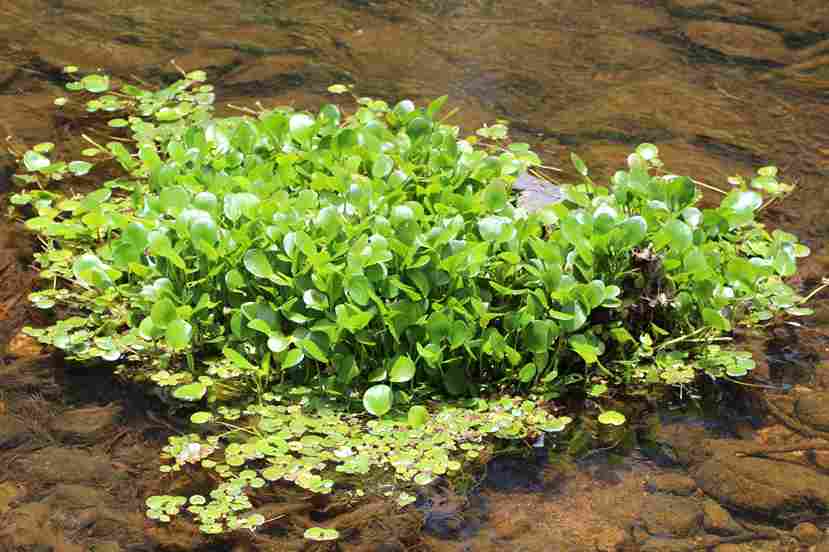
Fighting Amazon frogbit.
Aquatic weed Amazon frogbit has been spreading in the Wet Tropics

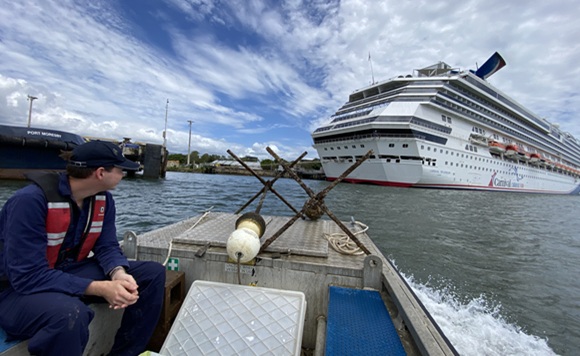
Hundreds of trade vessels, cruise ships and recreational boats pass through Great Barrier Reef waters to get to the Port of Cairns each year. They can bring unwelcome passengers – from non-native mussels and oysters to worms, sea squirts and algae – which have the potential to disrupt local ecosystems and fisheries by spreading through ballast water, marine equipment and the biofouling on hulls.
Adam Fletcher, Environment Manager at Ports North, says eDNA, or Environmental DNA, is a new technology that is revolutionising biosecurity monitoring, particularly as new applications emerge.
“Environmental DNA detects traces of DNA that organisms naturally shed in the water,’’ he says.
“This helps us to identify species with much greater speed and accuracy. It means we can detect the presence of invasive species before they become a major problem and put response measures in places much more rapidly.”
The award-winning Q-SEAS Marine Pest Sampling program has been running since 2019 and is a joint effort by Ports North, the Queensland Ports Association, and Biosecurity Queensland.
As part of the program, Ports North collects bio-fouling – the layer of marine organisms, algae, slime and other debris that builds up on the underwater surfaces of a vessel – by placing plastic plates in the water for eight weeks twice a year. Plankton is also collected, along with water samples. The genetic materials of marine organisms are then sent to Curtin University, where they are analysed and compared to a library of over 100 marine pest DNA profiles.
Adam says no high priority or new invasive species have been detected in Cairns since the program began. However already established pest species have been detected.
“In the last two decades there have been a number of incursions of Asian green mussel and Asian bag mussel from physical samples but luckily they haven’t established themselves here. However, the black scar oyster, which was detected around five years ago, is now prevalent in Cairns and Port Douglas, competing with native oysters for habitat and resources.”
Australia has some of the strictest biosecurity laws in the world. Ships must regularly maintain their hulls with anti-fouling coatings to prevent marine organisms from attaching, and vessels arriving from high-risk international locations are inspected.
“This eDNA program provides another layer of defence in protecting our marine environment,” Adam says.
Help stop the spread of marine pests in Wet Tropics waterways
Aquatic weed Amazon frogbit has been spreading in the Wet Tropics
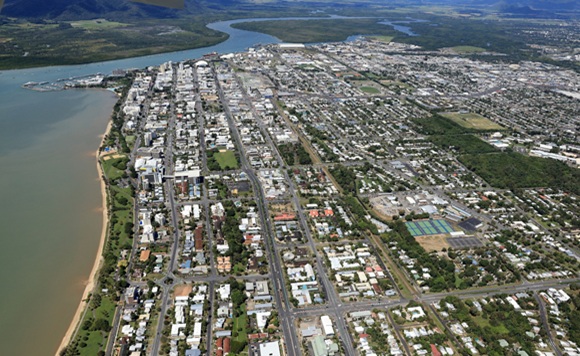
Urban runoff from towns and cities contributes a disproportionate share of pollution to the reef


Martine joined the Wet Tropics Waterways team as a Science Technical Officer in early 2024. She is an environmental scientist and ecologist and has worked on water quality and aquatic ecology projects as a consultant and in private industry for over 20 years. She is using her experience in statistical programming and database development to develop new systems for the Report Card.

Richard has been the Science Technical Officer for Wet Tropics Waterways since 2016. His role involves producing the annual results for the waterway health assessment of the wet tropics region using data from a wide range of sources, to present as scores and grades, as well as developing new indicators to address knowledge and monitoring gaps. He works in collaboration with technical staff at other regional report cards.
Richard has a background in freshwater ecology research projects and environmental assessments with CSIRO, University of Queensland, Queensland Government and as a consultant. For a long time he’s been interested in freshwater aquaculture and continues this interest through farming freshwater crayfish, alongside other farming activities.
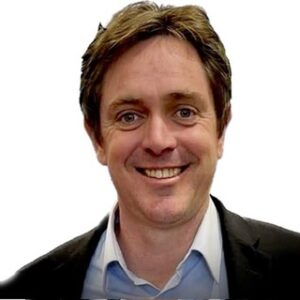
Simon has over 30 years’ experience advocating for waterways across academia, government and the private sector. He started out in marine botany with a fascination for seagrass, mangroves and macroalgae, and has gone on to lead major environmental initiatives both in Australia and overseas. He has established report cards in eight countries.
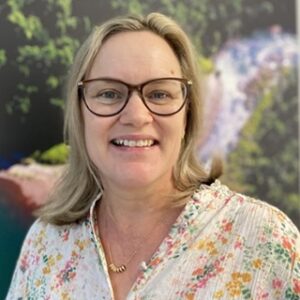
Louise joined Wet Tropics Waterways as Executive Officer in 2025.
Louise Hateley is an environmental scientist with over 20 years of experience in natural resource management, water quality, and catchment modelling across government, research, and community sectors. She has held senior scientific and project coordination roles with the Department of Natural Resources, Mines and Energy and Terrain NRM, leading projects focused on GBR catchment health, waterway management, and sustainable land use. With a record of published research, stakeholder engagement, and project delivery, Louise combines scientific expertise with practical leadership to drive initiatives that protect the Wet Tropics and support community collaboration.