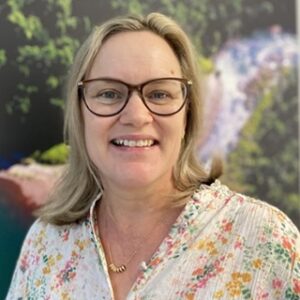

Jenny Gilbert has been a turtle lover for many years. It probably all dates back to when she was a young vet in New Guinea, regularly wandering through a marketplace buying up sea turtles – not to eat but to release back into the ocean.
“They’re just amazing,” she says. “I think the thing about them is they are an ancient breed. They’ve been around for over 150 million years.”
As a founder of the Turtle Rehabilitation Centre in Cairns, Jenny now oversees and coordinates three turtle rescue facilities, and partners with other regional groups. She has put Cairns on the map as a turtle-loving city and has cleverly combined rescue and rehabilitation with ecotourism and awareness campaigns.
This year she received $600,000 from the Queensland Government to set up another centre, on Green Island.
“So now we have James Cook University where we rehabilitate and nurse damaged turtles and the Cairns Aquarium in town which is a triage centre where they’re monitored every day. And then there’s Fitzroy Island – their resort with cocktails and afternoon siestas before they go back out to sea.”
“Green Island is going to be very different. It’ll be more of an education centre. We want to have Indigenous kids and displaced kids out there working on country, and with a range of animals, not just turtles.
“We’ll also be joining with Quicksilver (a local Reef tour company) which does a program on seagrass, fish and dugongs.”
So how did Jenny become the face of sea turtle rescue and a ‘go-to’ researcher on turtles who negotiates with business leaders and politicians for funding assistance for a wholly volunteer organisation?
“We came here to the vet clinic (Marlin Coast Veterinary Hospital) and somebody brought in 52 turtle eggs that a dog had been digging up at Trinity Park. I put a light on them and hatched the whole 52 and released them, which was fantastic.”
Word got about and Jenny was asked to treat a sick turtle at the then Cairns Aquarium and one thing led to another. She says a team of “wonderful volunteers” have made it all possible. Her regulars range in age from 18 to 75, and help care for, feed and monitor the reptiles.
Does she ever get tired of turtles?
“No, for so many reasons. They have a personality, and they’re smart. They’re the number one species people want to see on the Great Barrier Reef. And they are a keystone species, they’re indicators of ocean health.
“People are drawn to turtles because of their longevity. They’ve been around for so long – they’ve gone through the dinosaur age, and they’ve come out the other end.”
She says one of the most frightening statistics she learned at a recent conference was that by 2060 turtles will be extinct if threats to the species don’t stop.
The biggest threat to turtles?
“Humans,” she says bluntly.
Forget the natural threats of weather conditions, loss of feeding grounds, crocodiles and sharks.
“You’ve got marine debris – and the breakdown of this debris into chemicals that accumulate in their food source. You’ve got discarded fishing apparatus. They’ve also found heart drugs, antibiotics, all those drugs we use, in animals. You have heavy metal toxicity, boat strikes, illegal hunting… There are so many threats.”
She says the community is finding ways to help and that’s heartening – through beach cleans ups, nest protection cages, monitoring, and of course, rescuing. Public awareness is growing, and it is the best way to drive change, she says.
Jenny’s turtle facts:
- Turtles travel thousands of kilometres for feeding and to get to their breeding grounds.
- They don’t start breeding until they are between 20 and 50 years old.
- They only breed every two to seven years.
- They lay up to 150 eggs at a time.
- The babies hatch between 50 and 60 days later.
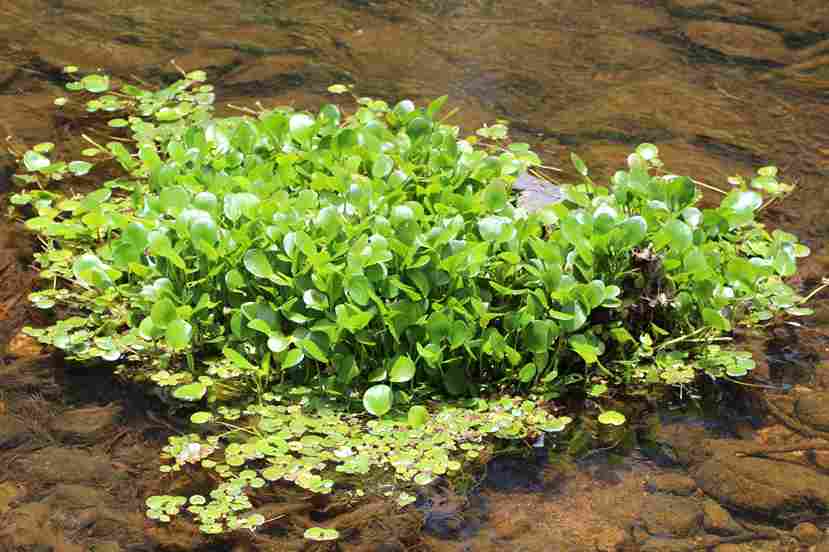
Fighting Amazon frogbit.
Aquatic weed Amazon frogbit has been spreading in the Wet Tropics
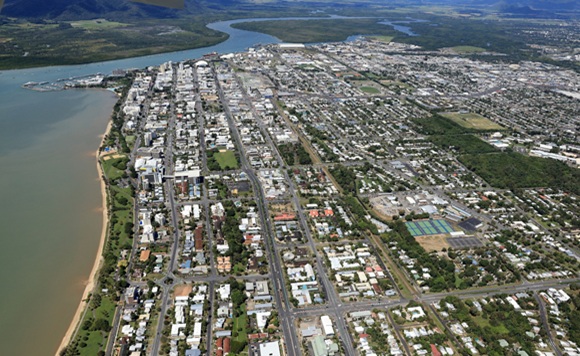
Managing urban runoff.
Urban runoff from towns and cities contributes a disproportionate share of pollution to the reef