50 years of protecting the reef.
Establishing the Great Barrier Reef Marine Park in 1975 was a game changer
Healthy waterways underpin our lifestyles and livelihoods. When waterways thrive, so do we.
Wetlands constructed on sugarcane farms two decades ago are helping to boost fish populations in Tully’s freshwater systems.
Research has found the lagoons are capturing and regulating floodwaters, supporting native fish and improving cane productivity.
Dr Nathan Waltham, a scientist at James Cook University’s Tropwater Research Centre, says surveys found 36 native fish species and three invasive species now inhabit these wetlands, including popular migratory fish like barramundi and mangrove jack.
“Good connectivity between freshwater and saltwater is necessary for the life cycle of many fish,’’ he says. “Finding these migratory species means fish are using these lagoons as nurseries, as well as moving across the floodplain during the wet season to spawn in marine waters.”
CANEGROWERS’ Peter Lucy said the farmers involved were proud of the outcomes and well aware of the important role the lagoons have as fish habitat.
“The wetlands have been a win-win outcome for the growers involved. Soil excavated during construction can be used to improve low lying areas, and the wetlands create all year-round habitat and filtration systems,” he said.
Well-designed and constructed wetlands in areas of boggy, low-production farmland can play an important role in supporting the growth of fish species and improving water quality.
Unfortunately, many wetland areas in the Wet Tropics have been cleared or modified. The good news is more projects are using constructed wetlands to improve reef water quality.
Dr Waltham says these wetlands are vital to help fulfill the functions that impacted natural wetlands can no longer perform.
“We need wetlands. They are essential for protecting our coastline, buffering against flood waters, contributing to fisheries’ productivity and acting as powerful carbon sinks to help tackle climate change.”
Tropwater’s Dr Adam Canning, who co-led the research, says 29 wetlands were constructed across 10 cane farms, with farmers taking responsibility for maintenance.
“The farmers are really proud of these lagoons and what they have accomplished in supporting fisheries and biodiversity more generally, and rightly so,” he says.
“Tully is one of North Queensland’s most sugarcane-dominated catchments. There’s a lot of work being done in this region and farmers are motivated to be involved in more initiatives to help improve water quality and to support biodiversity.”
Wetland fast facts
Wetland research was funded through the Australian Government National Environment Science Program Tropical Water Quality Hub.

Establishing the Great Barrier Reef Marine Park in 1975 was a game changer

150 cane farmers are participating in a project to boost productivity and water quality

Read about some of our region's rare and unusual native fish species

Martine joined the Wet Tropics Waterways team as a Science Technical Officer in early 2024. She is an environmental scientist and ecologist and has worked on water quality and aquatic ecology projects as a consultant and in private industry for over 20 years. She is using her experience in statistical programming and database development to develop new systems for the Report Card.

Richard has been the Science Technical Officer for Wet Tropics Waterways since 2016. His role involves producing the annual results for the waterway health assessment of the wet tropics region using data from a wide range of sources, to present as scores and grades, as well as developing new indicators to address knowledge and monitoring gaps. He works in collaboration with technical staff at other regional report cards.
Richard has a background in freshwater ecology research projects and environmental assessments with CSIRO, University of Queensland, Queensland Government and as a consultant. For a long time he’s been interested in freshwater aquaculture and continues this interest through farming freshwater crayfish, alongside other farming activities.
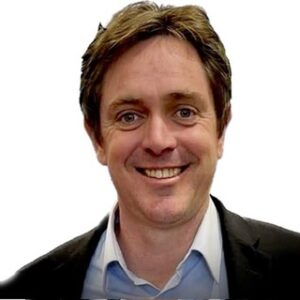
Simon has over 30 years’ experience advocating for waterways across academia, government and the private sector. He started out in marine botany with a fascination for seagrass, mangroves and macroalgae, and has gone on to lead major environmental initiatives both in Australia and overseas. He has established report cards in eight countries.
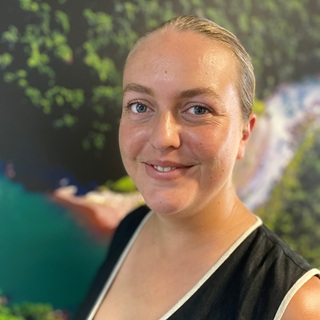
Rowan is a conservation scientist with a background in wildlife science and tropical ecology. She holds a Bachelor of Wildlife Science from the University of Queensland and has recently completed a Master of Tropical Biology and Conservation at James Cook University.
Rowan brings experience in science communication, with a strong interest in connecting people with conservation outcomes. In her role with Wet Tropics Waterways, she supports initiatives that combine scientific knowledge with community outreach to help protect the Wet Tropics and Great Barrier Reef catchments, and to strengthen collaboration between researchers, stakeholders, and the wider community.